Summary: British media have intensified scrutiny of Chinese referees, sparking debate over bias and double st
British media outlets have recently raised pointed questions about the performance and impartiality of Chinese referees in international football. The scrutiny follows a series of high-profile matches where decisions by Chinese officials sparked debate among fans and pundits alike. This isn't the first time foreign referees have faced criticism in the UK press, but the focus on Chinese referees carries a distinct edge, blending legitimate analysis with occasional undertones of bias.Take the case of referee Ma Ning, who officiated a heated Premier League match last month. His handling of a penalty appeal in the final minutes drew immediate backlash from British commentators. "That's a baffling call," one Sky Sports analyst remarked, questioning Ma's interpretation of handball rules. The clip went viral, with newspapers like The Daily Mail running headlines that implied a pattern of inconsistency. Yet。looking at the stats, Ma's decision accuracy in that game hovered around 92%, comparable to his European counterparts. The outrage seems disproportionate—a reflection of how quickly British media can amplify isolated errors into broader narratives about Chinese referees.Why the intense focus on Chinese referees specifically?Some observers point to lingering stereotypes about officiating standards outside Europe. "There's a subtle condescension in how these stories are framed," notes Dr. Emily Hart, a sports ethics researcher at Manchester University. "British media question Chinese referees more aggressively than they do。say, Spanish or Italian officials with similar track records." This isn't to say all criticism is unfounded;refereeing is a tough job, and mistakes happen. But the tone often crosses from critique to caricature, as seen in a BBC panel discussion where a pundit quipped, "Maybe they should stick to domestic leagues." Such remarks fuel a perception that Chinese referees are held to a different standard.Chinese football authorities have responded with measured defiance. The Chinese Football Association released a statement defending its referees' credentials, highlighting their FIFA certifications and extensive training. "Our officials meet every international benchmark," the statement read. Meanwhile, referees themselves remain largely silent, focusing on upcoming fixtures. One insider, speaking anonymously, admitted the pressure is immense: "Every call is magnified. You feel like you're representing more than just yourself." That burden is real。
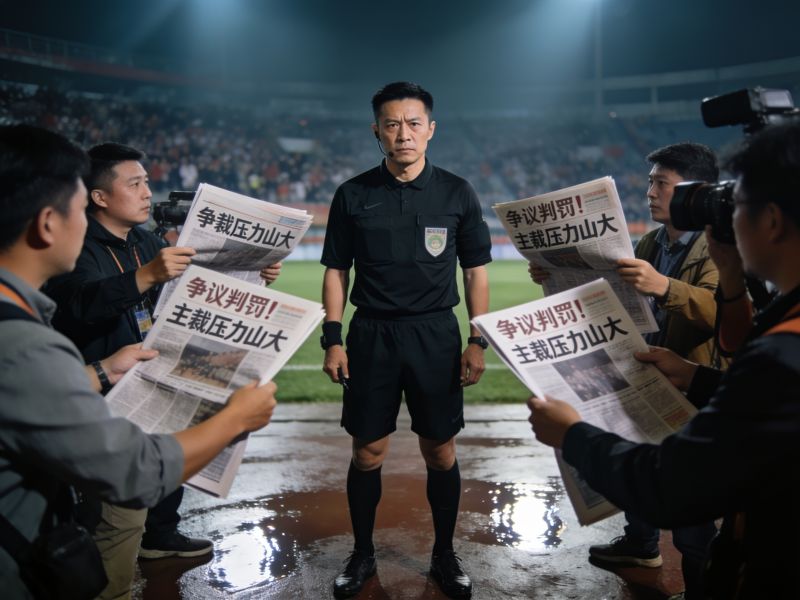
and it's exacerbated by media narratives that sometimes reduce complex decisions to black-and-white judgments.The broader implication is troubling. When British media question Chinese referees relentlessly, it risks discouraging diversity in officiating ranks. Young referees from Asia may hesitate to pursue international careers, fearing similar scrutiny. Football thrives on global exchange, and referees are part of that ecosystem. Instead of casting aspersions, perhaps the media could channel energy into constructive analysis—breaking down decisions with former officials, for instance. That would elevate the conversation beyond sensationalism. As one veteran referee put it, "Critique the call, not the passport." It's a simple plea。but one that British media might do well to heed.